
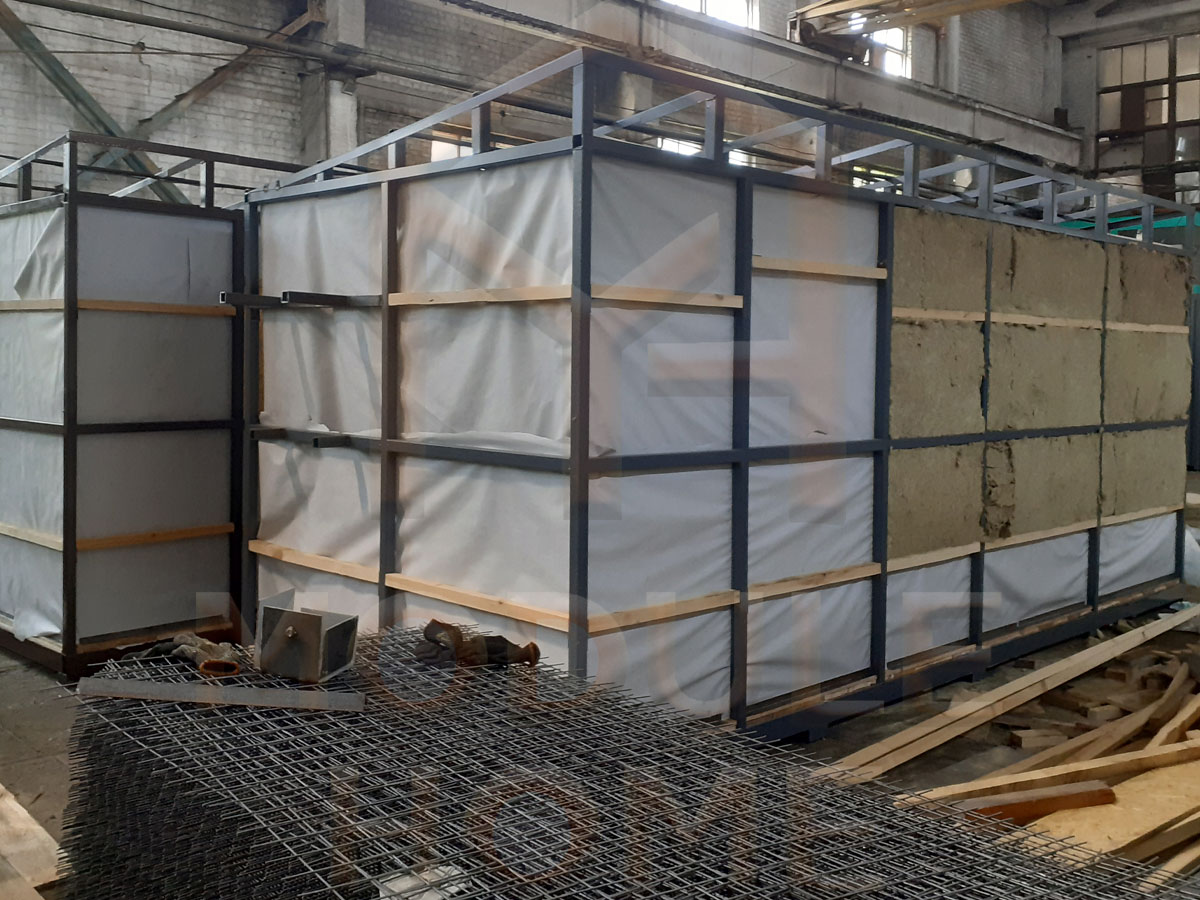
❄️ Insulation of Modular Houses: Comfort, Efficiency, Sustainability
Proper insulation is a cornerstone of any high-quality modular home. It not only ensures thermal comfort in all seasons but also contributes to energy efficiency, long-term savings, and reduced environmental impact.
1. Why Insulation Matters
Good insulation helps maintain indoor temperatures, lowers heating and cooling costs, and minimizes heat loss or gain. For modular homes, it’s especially important because these structures are pre-built and must meet diverse climate requirements across regions.
2. Types of Insulation Used in Modular Construction
- SIP Panels (Structural Insulated Panels): Pre-manufactured with high thermal resistance and airtight performance.
- Mineral Wool: Fire-resistant, sound-insulating, and moisture-tolerant — ideal for walls and roofs.
- Spray Foam: Expands into cavities and seals gaps, offering both insulation and air barrier in one.
- Eco-Friendly Materials: Recycled cotton, cellulose, and hemp provide sustainable insulation options.
3. Areas That Require Insulation
- 🏠 Walls and floors between modules
- 🌬️ Roofs and ceilings
- 🪟 Around windows and doors (thermal bridging prevention)
- 🧱 Under the foundation (especially in cold climates)
4. Benefits of a Well-Insulated Modular Home
- 🔋 Lower energy consumption and utility bills
- 🌡️ More consistent indoor climate
- 🧘♂️ Improved acoustic comfort
- 🌍 Smaller environmental footprint
Investing in high-performance insulation means greater comfort, sustainability, and value — whether you're building a modular retreat, guest house, or full-time residence.